A classic car pre-purchase inspection (PPI) is a hands-on check of the physical car by someone who knows how that model was built, done before you pay. The best person for it is a specialist who restores and builds cars like yours, because the expensive problems in a classic hide under fresh paint, in the frame and in parts that do not belong. At StreetWorks Auto in Phoenix we restore classics, rebuild engines and prepare cars for auction, and the same eye applies when you are the one writing the check.
TL;DR
- A classic PPI checks the real car: body, frame, engine, drivetrain, suspension, brakes, electrical, originality and paperwork. A history report cannot do that for pre-1981 cars.
- Expect to pay roughly $150 to $600 in the US, with depth, rarity, travel and extra tests moving the price.
- Choose an inspector who knows your type of car, whether muscle, luxury or sports, not just a general mechanic.
- Use the report three ways: negotiate, set a repair budget, or walk away.
- Age alone does not require an inspection. It is your decision, and on a classic it is the cheapest insurance in the deal.
Table of Contents
- Why a classic needs more than a used-car check
- What a good classic inspection covers
- Who should perform it
- How the inspection works, step by step
- What it costs
- Turning the findings into a decision
- Special cases: modified, restored and auction cars
- Do you need an inspection because the car is 25 years old?
- Phoenix and Arizona: what the desert does to a classic
- After you buy: what comes next
- Bring your classic to StreetWorks Auto
- FAQ
- Sources
Why a classic needs more than a used-car check
A modern used car can be judged partly by computer codes, service records and recall data. A 1966 Mustang or a 1970 Chevelle has none of that. The inspector works with eyes, hands, a lift, a magnet and a paint gauge, and the report describes what was seen and heard on the day, not a promise that nothing will fail next month.
A vehicle history report is not a substitute either. It pulls reported records only, and cars from before 1981 lack the standardized 17-character VIN that those reports rely on, so coverage is limited. A repair that was never reported, such as a rear quarter replaced after an accident or rust cut out and covered with filler, will not appear in any database. It only shows up when someone looks at the car.
That is the real value of a PPI: it turns a seller’s description into facts you can price. A professional, thorough check for mechanical, structural or cosmetic damage helps you decide whether the car is worth the investment.
What a good classic inspection covers
A solid inspection goes system by system. The usual scope is body and paint, frame and undercarriage, engine and drivetrain, suspension, steering and brakes, electrical systems, authenticity and paperwork. Here is what each area means for you as a buyer.
Body and paint
The inspector looks for paint that matches from panel to panel, dust or orange peel in the finish, distorted reflections that point to poor preparation, and overspray or masking lines around trim and door jambs. Collector-vehicle guidance also calls for using a magnet to detect filler over rust and probing the lower edges of the car, where rust starts.
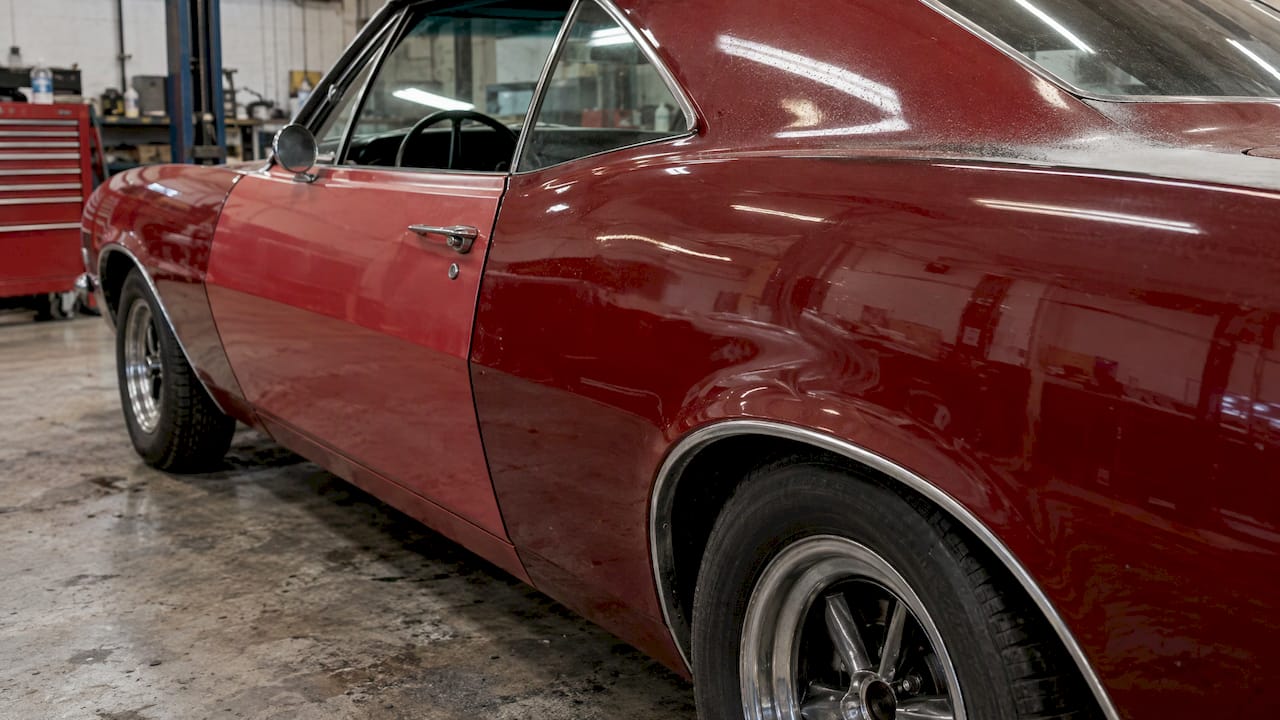
Uneven panel gaps and low-angle waves in the reflection are the classic signs of bodywork. A paint-thickness gauge adds numbers to what the eye suspects. A freshly painted car is not a problem in itself. A fresh paint job over unknown metal is.
Frame and undercarriage
This is where a car is won or lost. The inspector examines the trunk floor and its depths, the area under the car and the frame itself. The question is whether the structure is straight, solid and original to the car, or has been patched, boxed in or repaired after a hit. Rust-through in a frame rail or floor pan is a restoration-level expense, not a repair.
Engine and drivetrain
The check starts with whether the engine is the correct type or number for the car and whether major components are correct. It continues with a cold start, since problems often show before the engine warms up. Smoke color tells a story: blue smoke that clears points to worn valve seals, while white smoke that will not clear can mean coolant is entering the combustion chamber. A compression or leak-down test, where the seller allows it, puts numbers on the condition of the cylinders.
Then comes a drive. A good inspector tests overall performance on the road after evaluating the exterior, interior and mechanical parts: shifting, clutch or torque converter behavior, steering play, brake pull, vibration and temperature under load.
Suspension, steering and brakes
Old bushings, worn ball joints, leaking shocks and tired steering boxes make a classic feel loose and unsafe. Drum brakes on a heavy car may work but fade quickly. These are fixable, but each one goes on the repair estimate.
Electrical systems
The inspector checks whether the electrical system has been upgraded or modified. Brittle original wiring, hacked-in accessories and mismatched splices are common in older cars and are a fire risk as well as a headache. A tidy, modern harness can be a plus. A bird’s nest behind the dash is a warning about how the rest of the car was treated.
Originality and paperwork
For a collector car, authenticity drives value. Numbers on trim tags, engine blocks, transmissions, rear axles and hidden VIN locations are all part of confirming that a car is what the seller says. Barrett-Jackson’s own experts describe photo analysis of trim tags, engine numbers and stampings when checking cars represented as matching-numbers. A dash VIN that does not agree with the partial VINs stamped elsewhere on the body suggests a car assembled from several vehicles, and for a collector that is usually the end of the conversation.
Match the title, bill of sale and any restoration receipts to the car in front of you. Photos of the work in progress are worth more than a story.
Who should perform it
Any licensed mechanic can do a PPI, but for a classic you may be better served by a specialist with experience in your specific type of car, such as muscle or luxury. A general shop that mostly sees late-model daily drivers will not know what a correct 1969 small block looks like or where a particular body style hides its rust.
When you are choosing, ask:
- How many cars of this make and era have you worked on?
- Will you put the car on a lift and check the frame, not just look from the side?
- Can you measure paint thickness and test compression?
- Will the report be written, with photos?
- Do you have any financial interest in the sale?
The fifth question matters. The inspector should work for you, not for the seller or the dealer selling the car.
A restoration shop is a natural fit because the people who rebuild engines, straighten frames and rewire cars every week are the ones who recognize what a bad job looks like. Our classic car restoration work in Phoenix covers classic cars and trucks, restomods, engine rebuilds and swaps, wiring, frame and body swaps, and we also work on Porsches, so a muscle car, a restomod or a 911 comes from familiar territory.
How the inspection works, step by step
1. Get the seller’s agreement before you commit
Tell the seller early that your offer depends on an inspection. A serious seller will agree. Put it in writing: the offer is subject to a satisfactory inspection, and a deposit is refundable if the car does not pass.
2. Choose the location
The best inspection happens on a lift at a shop. Mobile inspections are common, especially out of state, but they are limited to what can be seen in a driveway. If the car is in the Phoenix area, bringing it to a shop is the most thorough route.
3. Share the car’s story
Give the inspector the listing, photos, the VIN or serial number, and every claim the seller makes: matching numbers, rebuilt engine, frame-off restoration. The inspector then verifies claims instead of guessing.
4. The inspection itself
Expect the walk-around, the lift, the cold start, the drive and the paperwork review described above. Time varies with the car and depth of the check, so confirm the scope and time when you book.
5. The written report
A useful report lists findings by system, rates severity, includes photos of problem areas and notes anything that does not match the seller’s description. Ask for a plain split between safety items, items to fix soon and cosmetic items. Remember it is a snapshot of one day, not a warranty.
What it costs
Typical classic inspections run about $150 to $600 in the US. The price depends on:
- Depth: a visual check costs less than one with compression or leak-down tests.
- Rarity: an unusual car takes more research and more time.
- Travel: the inspector driving to the car adds cost.
- Extras: paint-thickness readings and a written appraisal increase the bill.
Put that against the numbers a bad classic can produce. A full engine rebuild at our shop is listed at $2,500 to $6,000, and that is before body, frame or wiring work. If the inspection finds a tired engine, you now know to budget for it before you buy, not after.
Turning the findings into a decision
An independent inspection can show existing problems that help you judge whether the car is worth the asking price and negotiate based on the repairs it needs. In practice there are three outcomes.
Buy at the asking price. The car is what the seller said, and findings are minor. You now own a car with a documented baseline.
Negotiate. Findings are real but fixable. Get a repair estimate for each item, then ask for a price reduction that matches. Frame it with the report, not opinion: “The inspection found X, and the repair is $Y.”
Walk away. Frame rust, a body assembled from several cars, a non-original engine sold as original, or a pile of undisclosed accident repair. A non-matching engine can drop collector value significantly, and the inspection fee is far smaller than the loss.
A worked example
Say a seller lists a muscle car at $48,000 as numbers-matching with a freshly rebuilt engine. The inspection finds a replacement engine with a different casting date, filler in both rear quarters and a leaking rear main seal. You are not buying the car described. You can price the engine and bodywork, then negotiate, or you can pass. Without the inspection, you would have discovered all of this after the sale, with no leverage.
Special cases: modified, restored and auction cars
A restomod or modified classic needs a different lens. The question is not only “is it original?” but “was the work done well?” Look at engine swap mounts, cooling capacity, wiring routing, fuel system, brake upgrades to match added power and whether the suspension and chassis can handle it. Our team builds restomods in Phoenix, including LS and Coyote swaps, and these are the details that separate a car that drives well from one that only looks the part.
A car that has been restored needs documentation. Ask for photos of the car stripped, receipts and the name of the shop. Beautiful paint on a car without records is a question, not an answer.
For auction-bound cars, the same applies in both directions. If you are buying at auction, you often have limited time to look, so any inspection you can arrange beforehand is valuable. If you are selling, preparing the car and having it inspected first avoids surprises on the block. We offer Barrett-Jackson preparation and inspection from our Phoenix shop.
Do you need an inspection because the car is 25 years old?
No. A car’s age, including reaching 25 years, does not by itself require a buyer’s inspection. A pre-purchase inspection is optional and arranged by the buyer. What can be required by state rules is a different matter: registration and emissions. In Arizona, vehicles in the Phoenix area generally must pass an emissions inspection before registration, with legislation addressing exemptions for collectible vehicles. Confirm your car’s status with the Arizona Department of Transportation’s Motor Vehicle Division before you buy, since the rules turn on model year and registration type.
Phoenix and Arizona: what the desert does to a classic
Arizona cars have a reputation for being rust-free, and many are, but dry heat brings its own set of problems. Rubber hoses, seals, weatherstripping and bushings dry out and crack. Dash pads and upholstery fade, and paint clear coat can fail from constant sun. Wiring insulation turns brittle. Cooling systems work harder, and a classic with an original radiator may struggle in July.
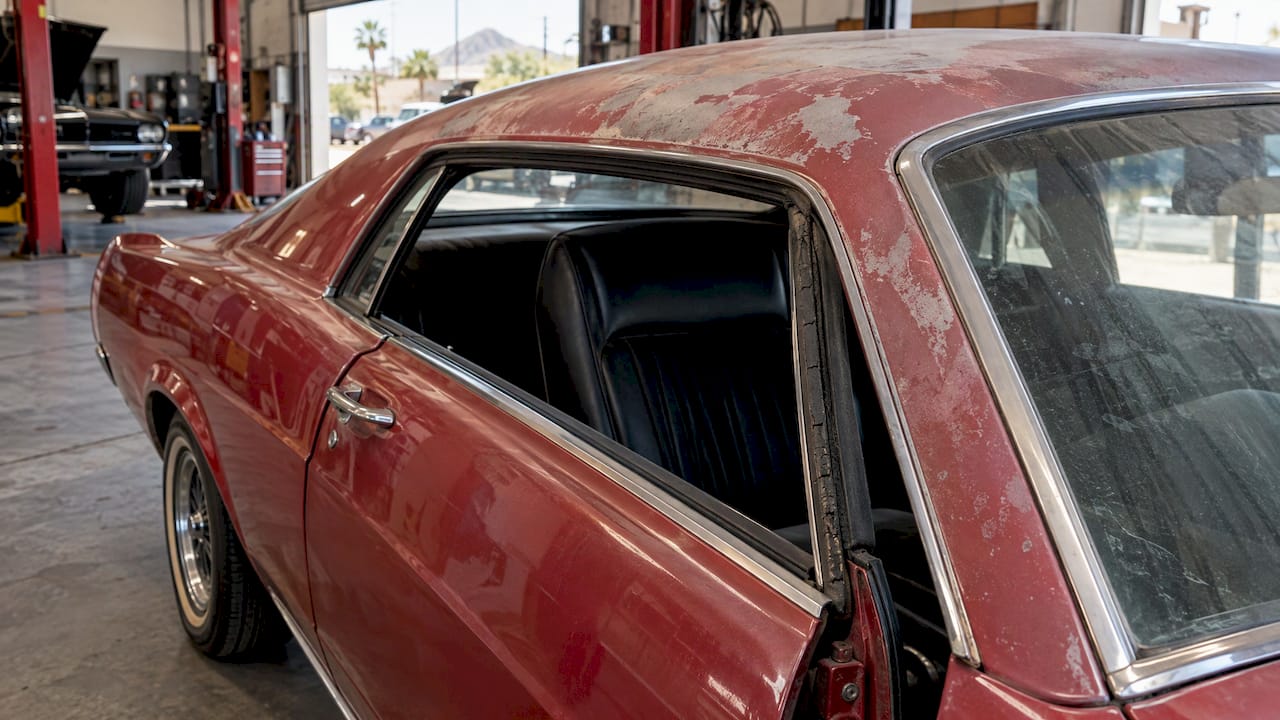
If you are buying a car shipped in from a wet state, expect the opposite: hidden rust in the lower body and frame. Either way, an inspector who knows local conditions is looking for the right things.
After you buy: what comes next
A good inspection report doubles as a work plan. Many buyers use it to schedule the engine, brake, wiring and suspension work that makes the car dependable, and to decide whether a full restoration or restomod is the long-term goal. We handle engine rebuilds, wiring and chassis work and frame and body swaps in-house, and once the car is sorted we also offer paint protection film and ceramic coatings to protect the finish from the Arizona sun.
Bring your classic to StreetWorks Auto
StreetWorks Auto brings restoration, performance work, Porsche specialization, and vehicle protection and detailing together in one shop in Phoenix. We plan work around the vehicle and the owner’s goals, with attention to Arizona heat and drivability. If you are weighing a purchase, or you already own a classic that needs honest direction, start with our classic car restoration team.
We serve owners across Phoenix, Scottsdale, Mesa, Tempe, Chandler and Glendale. For Porsche purchases, see our Porsche repair and upgrade page.
FAQ
How much does a classic car pre-purchase inspection cost?
Typical US prices run about $150 to $600. Inspection depth, how rare the car is, travel distance and extras like compression tests, paint-thickness readings and a written appraisal all affect the total.
Is a pre-purchase inspection worth it for a classic?
Yes. Classics have no codes or standardized history to lean on, and hidden rust, filler and incorrect parts are common. A report can support negotiation on the asking price or give you a reason to walk away.
Does a 25-year-old car have to be inspected before purchase?
No. Age does not trigger a required buyer’s inspection. It is optional, though strongly worth doing. Registration and emissions rules are separate, so check with Arizona’s Motor Vehicle Division for your specific car.
Who should do the inspection?
Choose a specialist familiar with your type of car, whether muscle, luxury or sports. Mechanics can perform inspections, but experience with your specific kind of classic matters. The inspector should be independent of the seller.
Can a history report replace the inspection?
No. A history report covers only reported records and is limited on cars made before 1981, while an inspection checks the actual car for hidden rust, filler and unreported repairs.
Sources
- Pre-Purchase Inspection for a Classic Car: What to Check
- Classic Car Pre-Purchase Inspection Checklist
- Five Things To Include in Your Pre-Purchase Classic Car Inspection
- Collector Vehicle Inspection Basics
- Barrett-Jackson automotive experts on Z28 Camaros
- Arizona Senate fact sheet, H.B. 2758, emissions inspection and collectible vehicles

